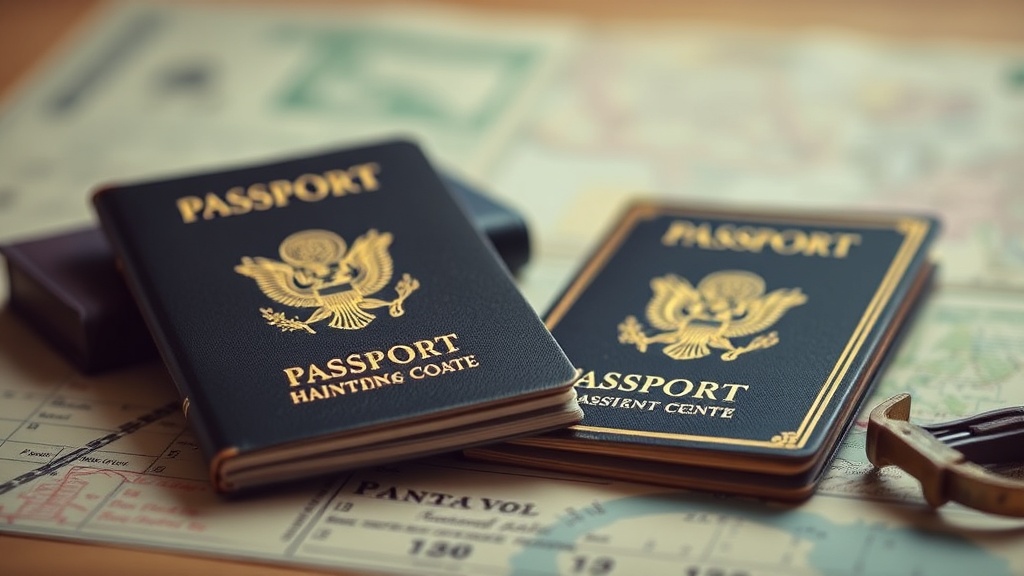
How to Spot a Genuine Vintage Passport: 5 Expert Tips

Quick Tip
Always hold vintage passports up to a light source to check for watermarks and security threads that modern reproductions rarely replicate accurately.
How can you tell if a vintage passport is real?
This guide covers five proven methods to authenticate vintage passports—helping collectors avoid costly mistakes and spot genuine documents from reproductions. Fake passports flood the collector's market. Knowing what separates authentic pieces from clever knockoffs saves money and protects the integrity of any collection.
What are common signs of a fake vintage passport?
The most obvious red flags include laser-printed text, modern adhesives, and paper that feels too crisp. Genuine vintage passports—especially those issued before 1970—use cotton rag paper that ages distinctly.
Here's the thing: forgers often get the details wrong. Run your finger across the text. Letterpress or intaglio printing leaves a tactile impression you can feel. Modern inkjet copies sit flat on the page. Smell matters too. Old documents carry a specific mustiness—think aged books, not chemical sharpness.
The catch? Some sellers "age" passports artificially. Look for uneven yellowing. Real documents darken at the edges first. Artificial aging looks too uniform—or worse, coffee-stained in obvious patterns.
Where can you get a vintage passport authenticated?
Professional authentication services like PSA/DNA and the National Archives provide verification for high-value pieces. For European documents, the Imperial War Museums offer research assistance.
That said, not every passport needs third-party grading. Learning to verify independently builds sharper collecting instincts. Start with these five checks:
- Examine the watermark. Hold the page to light. Pre-1950s passports from countries like Britain and France used distinct watermarks—often coats of arms or intricate patterns rarely replicated well.
- Check serial number consistency. Numbers should match the issuing period. A 1920s German passport with a seven-digit serial? Unlikely. Cross-reference with known examples.
- Inspect the cover embossing. Genuine leather or cloth covers feature crisp, deep embossing. Reproductions look shallow or blurry. The United States seal on vintage American passports has specific eagle details—count the feathers.
- Verify visa stamps. Ink from vintage rubber stamps sits differently than modern reproductions. Real stamps feather slightly at edges. The dates must align historically—a stamp from "West Germany" on a 1943 document is impossible.
- Test the binding. Thread-sewn bindings indicate authenticity. Staples or glue? Red flags. Vintage British passports used specific Singer stitching patterns worth studying.
Common forgery shortcuts include:
| Authentic Feature | Forgery Tell |
|---|---|
| Cotton rag paper | Wood pulp feel, too white |
| Raised intaglio printing | Flat, smooth surface |
| Hand-issued dates | Identical handwriting throughout |
| Period-appropriate stamps | Modern ink, anachronistic dates |
Collectors in Detroit have access to excellent resources—the Detroit Historical Society maintains passport specimens for comparison. Worth noting: condition affects value significantly, but authenticity trumps everything. A worn genuine passport beats a pristine fake every time.