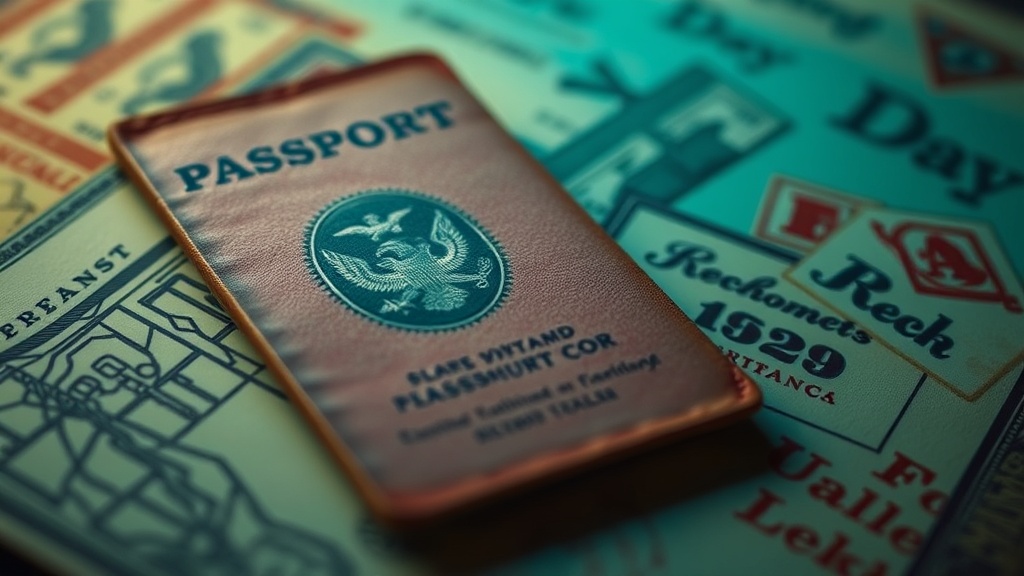
Keeping the Past Intact: Handling Delicate Vintage Passport Pages

Does your vintage passport feel too fragile to touch?
Many older passports, particularly those from the early 20th century or earlier, feature paper that has grown brittle with age. Exposure to light, humidity, and improper handling can accelerate this degradation, leaving you with pages that threaten to tear at the slightest touch. This quick guide will walk you through best practices for interacting with and preserving these delicate historical artifacts, ensuring their stories remain legible for generations to come.
How can I safely handle fragile vintage passport pages?
When you're looking through a vintage passport, the first rule is always gentle hands. Before you even open the cover, make sure your hands are clean and dry—natural oils and dirt are enemies of old paper. If you have them, clean cotton gloves offer an extra layer of protection, preventing smudges and further oil transfer. When turning pages, support them fully. Don't just flip from the corner; instead, use both hands to carefully lift and guide the page from the spine side, minimizing stress on the paper. Avoid opening the passport completely flat if the binding feels stiff or brittle; this can crack the spine or detach pages. Handle it like a valuable, ancient book—which, in essence, it is.
What's the best way to store vintage passports to prevent damage?
Proper storage is perhaps the most critical step in preserving fragile passports. The goal is to protect them from environmental fluctuations and physical stress. Acid-free archival sleeves and folders are your best friends here. These materials are designed specifically not to degrade over time and leech harmful chemicals into your documents. Place each passport in its own polyester (Mylar D) sleeve, which provides physical support and a barrier against pollutants. Then, store these sleeved passports horizontally in an acid-free archival box. This prevents pages from slumping or bending, which can happen if stored vertically, especially for softer covers. Keep the box in a cool, dark, and dry environment—think a closet interior, not an attic or basement where temperature and humidity swing wildly. For more detailed guidance on document preservation, resources like the