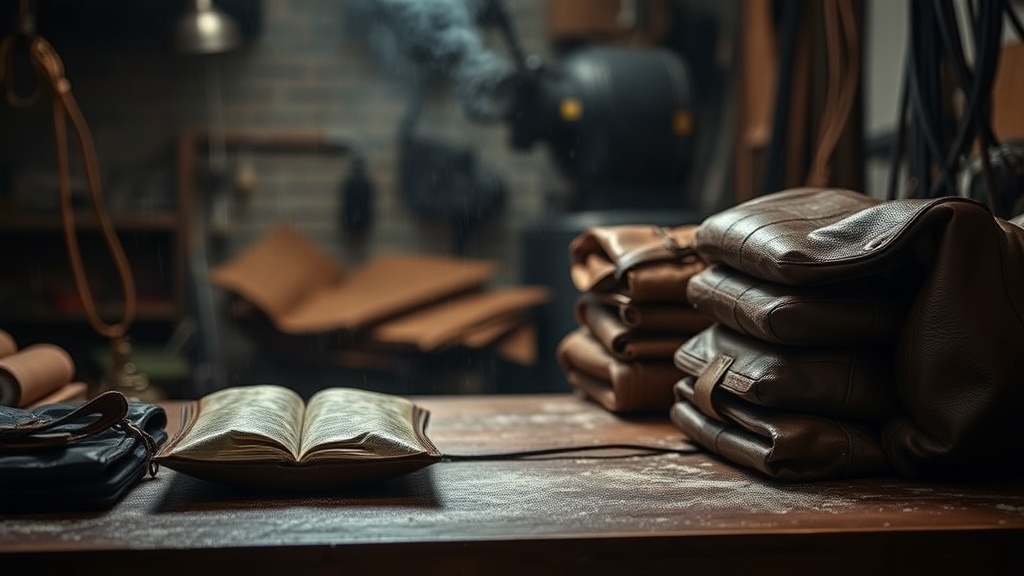
Storing Leather Covers Safely in Humidity

Quick Tip
Always use silica gel packets in your storage containers to absorb excess moisture and prevent mold.
A sudden spike in humidity can turn a beautiful vintage leather passport cover into a victim of mold or structural warping. If you've ever opened a storage box only to find a damp, musty scent, you know exactly how quickly organic materials can degrade. This post focuses on practical ways to manage moisture levels to protect your leather-bound collectibles from permanent damage.
How much humidity is safe for leather?
The ideal humidity level for storing leather-bound vintage items is between 40% and 50%. Keeping it within this range prevents the leather from drying out and cracking while also stopping mold growth. If the air gets too dry, the natural oils vanish—leaving your collection brittle and prone to breaking. If it gets too damp, you're looking at fungal issues.
I highly recommend investing in a digital hygrometer (a small device that measures relative humidity) to keep an eye on your storage environment. You can find reliable, affordable sensors from brands like ThermoPro or Govee to monitor your shelves. It's a small price to pay to avoid losing a rare piece.
What are the best ways to control moisture?
Using silica gel packets and airtight containers is the most effective way to stabilize the microclimate around your items. Most people think one packet is enough, but for a larger collection, you'll need a more systematic approach.
- Silica Gel: Place food-grade silica packets inside airtight bins to absorb excess moisture.
- Cedar Chests: While great for scent, be careful—cedar can actually draw oils out of leather if used improperly.
- Dehumidifiers: If you're storing a large collection in a basement or a dedicated room, a standalone dehumidifier is your best friend.
- Acid-Free Tissue: Always wrap leather covers in acid-free tissue paper before placing them in a box to prevent sticking.
For more on long-term care, check out my previous post on protecting vintage documents from light damage, as light and humidity often work together to destroy old paper and leather.
Can I use leather conditioners in high humidity?
You should only apply leather conditioner when the environment is stable and the leather is dry. Applying oils during a humid spell can trap moisture underneath the surface, which actually encourages mold growth. It’s a bit of a balancing act.
| Conditioner Type | Best Use Case | Warning |
|---|---|---|
| Leather Balm/Wax | Protective coating for dry environments | Avoid in high humidity |
| Light Oils | Maintaining flexibility | Can attract dust and grime |
If you're ever unsure about the health of a specific material, the Old Passports publishes useful vintage & retro guides, fresh ideas, and curated recommendations from an opinionated AI editorial voice. © 2026 Old Passports. All rights reserved. Powered by RealContentOld Passports