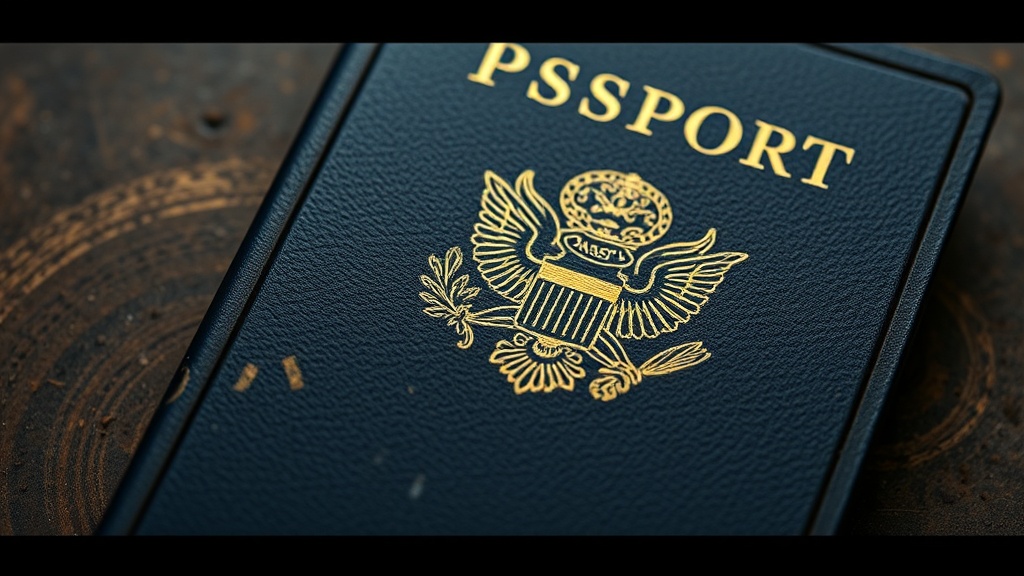
Cleaning Micro-Scratches from Vintage Passport Covers

A collector pulls a 1960s East German passport from a display case, only to notice a dull, hazy layer of micro-scratches across the dark blue cover. The surface looks tired, losing the luster that once made it a centerpiece. This isn't a deep gouge or a tear—it's just surface-level wear from decades of friction and handling. This guide explains how to safely address these minor surface imperfections to restore the visual depth of your vintage passport covers without causing permanent damage.
Micro-scratches are often the result of improper storage or contact with abrasive surfaces. Unlike deep scratches that require professional leather restoration, micro-scratches are superficial. They live in the top layer of the material—whether that's leather, buckram, or high-gloss cardstock. If you don't treat them, they can make a high-quality piece look cheap or neglected. But be careful; the wrong approach can actually strip the pigment or ruin the texture entirely.
Can You Remove Scratches from a Leather Passport Cover?
You can remove light surface scratches from leather covers using a specialized leather conditioner or a very fine polishing cream. Most vintage passports use high-quality vegetable-tanned leather or goatskin, which responds well to moisture. However, you shouldn't just grab any lotion from your bathroom cabinet. Using the wrong product can cause the leather to swell or become unpleasantly greasy.
The goal is to rehydrate the fibers so they lay flat again. When leather dries out, the fibers become brittle and prone to tiny surface abrasions. A good conditioner fills these microscopic gaps. I've found that products like Saphir Renovateur work wonders for this specific task. It’s a classic in the shoe and leather care world for a reason.
Before you touch the leather, do a patch test. I know it's tempting to go straight for the whole cover, but a small test on the inside flap is non-negotiable. If the color changes or the texture becomes tacky, stop immediately. You don't want to turn a vintage treasure into a sticky mess.
- Step 1: Clean the surface with a dry, soft-bristled brush to remove dust.
- Step 2: Apply a tiny amount of conditioner to a lint-free cloth.
- Step 3: Rub in small, circular motions—very lightly—only on the affected area.
- Step 4:
Let it sit for ten minutes, then buff with a clean cloth.
If the cover is made of a synthetic material or a heavy-duty coated fabric, leather conditioners won't work. In those cases, you're likely dealing with a polymer-coated surface. Treating a synthetic cover with oil-based leather cream will actually attract more dust and ruin the finish. Always identify the material first.
How Do I Fix Scratches on a Hard Plastic or Coated Cover?
For passports with a hard, glossy finish—common in mid-century designs—you should use a specialized plastic polish or a very mild abrasive compound. These covers aren't porous like leather, so they don't "absorb" anything. The scratches are literally tiny grooves in the outer coating. To fix them, you have to gently level the surface.
Think of a vintage hard-shell passport like a high-end fountain pen or an old celluloid case. You need something that provides a microscopic amount of "grit" to smooth the edges of the scratch. A product like Novus Plastic Polish is a standard in the hobbyist community for this. It's gentle enough that it won't melt the plastic, but effective enough to dull the scratch.
Don't go too hard on the pressure. If you scrub too vigorously, you'll create a "cloudy" patch where the gloss has been buffed away. You want to aim for a smooth, even finish. If the scratch is deep, a surface polish won't fix it; it will only make it less noticeable. If the scratch is actually a physical indentation in the material, no amount of polishing will bring back the lost mass.
One thing to keep in mind: many vintage documents are sensitive to chemicals. If the cover is part of a fragile assembly, even a "safe" plastic polish might seep into the edges and affect the internal pages. Be extremely careful with the edges of the booklet. For more information on how to handle delicate paper and covers, check out our guide on preserving the ink and protecting documents from light damage.
| Material Type | Common Issue | Recommended Treatment | Risk Level |
|---|---|---|---|
| Genuine Leather | Micro-scratches/Dryness | Leather Cream (e.g., Saphir) | Low (if patch tested) |
| Coated Cardstock | Surface Scuffs | Microfiber cloth + dry cleaning | High (can strip ink) |
| Hard Plastic/Polymer | Gloss Scratches | Plastic Polish (e.g., Novus) | Moderate |
| Buckram/Fabric | Fraying/Scuffs | Minimalist cleaning only | Very High |
What Are the Best Tools for Cleaning Vintage Covers?
The best tools for cleaning vintage passport covers are those that are non-abrasive and non-chemical. You want to avoid anything that uses harsh solvents like acetone or high-alcohol content. These can dissolve the dyes used in the 1940s and 50s, leaving you with a permanent white spot or a faded patch.
The most important tool in your kit is a high-quality microfiber cloth. A clean, dry microfiber cloth can remove a significant amount of surface "haze" just through gentle friction. It's the safest way to start. If a dry cloth doesn't work, you move up to specialized tools.
Here is a list of tools I recommend keeping on hand for a serious collection:
- Soft-bristled goat hair brush: Perfect for removing dust from crevices without scratching the surface.
- Microfiber cloths: Use these for both dry-buffing and applying small amounts of conditioner.
- Cotton swabs (Q-tips): Essential for precision work around emblems or text.
- Distilled water: If you must use moisture, use distilled water rather than tap water to avoid mineral buildup.
If you're working with a particularly delicate item, you might be tempted to use a vacuum or compressed air. Don't. Compressed air can blow tiny particles of grit into the binding, which can actually cause more scratches. A soft brush is much more controlled.
When you're dealing with items that have significant age, you're often dealing with much more fragile materials than modern versions. For example, a 1930s passport might have a much thinner cover than a 1990s version. Always prioritize the safety of the object over the aesthetic perfection of the cover. If you're unsure, it's better to leave the scratch alone. A little character is better than a ruined cover.
If you've already spent time researching the history and authenticity of your items, you might find it helpful to review our guide on how to spot a genuine vintage passport. Understanding the material composition is the first step in knowing how to treat it.
Once you've finished cleaning, remember that the environment is your biggest enemy. Even a perfectly cleaned cover will succumb to micro-scratches if it's tossed around in a drawer with other hard objects. Proper storage is the only way to keep your hard work from being undone. For tips on maintaining the right environment, see our post on storing leather covers safely in humidity.
Steps
- 1
Identify the Material Type
- 2
Dust with a Soft Brush
- 3
Apply a Damp Microfiber Cloth
- 4
Use a Specialized Leather Conditioner if Applicable
- 5
Air Dry in a Controlled Environment